


Camping Lamp Lights
Original price was: ₹897.00.₹449.00Current price is: ₹449.00.-40%
Select options
This product has multiple variants. The options may be chosen on the product page
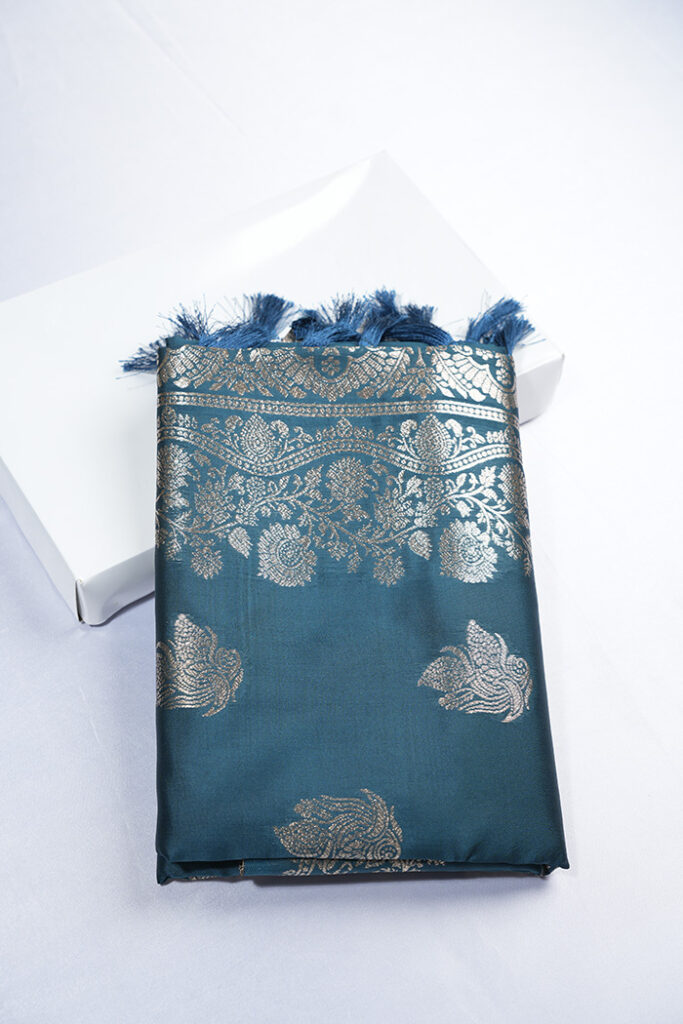
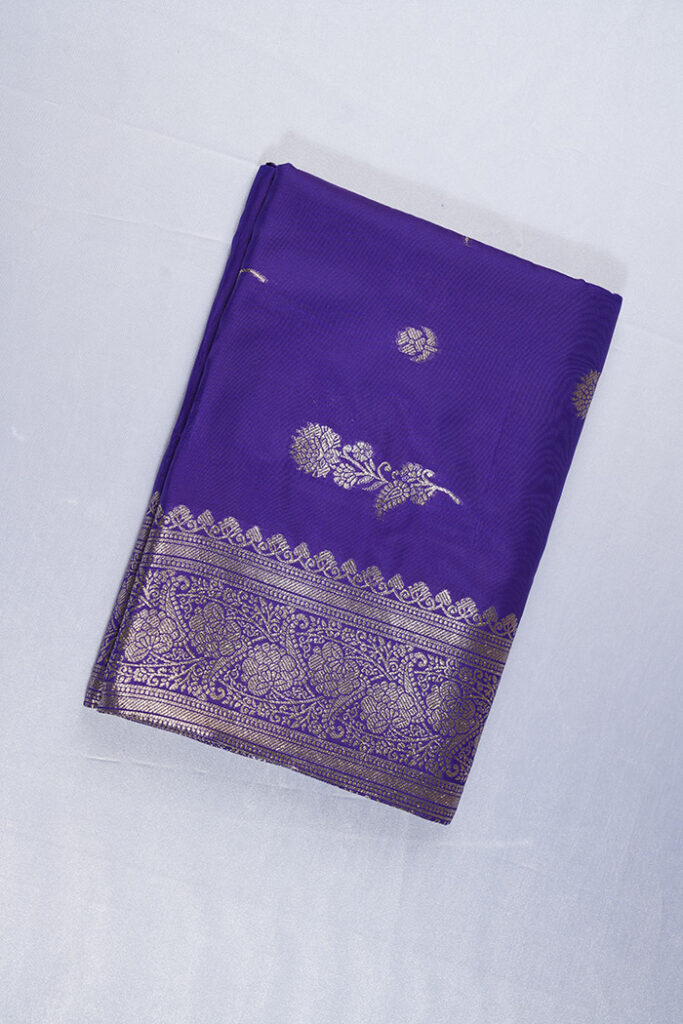
Chanderi Banaras Saree
Original price was: ₹1,499.00.₹899.00Current price is: ₹899.00.-33%
Select options
This product has multiple variants. The options may be chosen on the product page
-44%
Select options
This product has multiple variants. The options may be chosen on the product page
-44%
Select options
This product has multiple variants. The options may be chosen on the product page
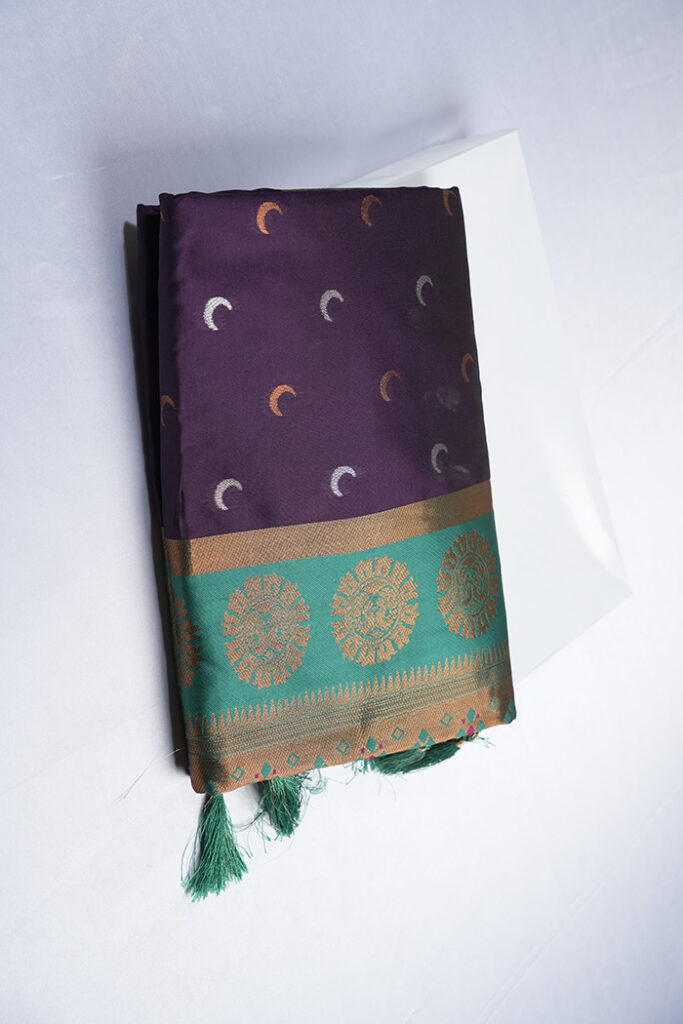
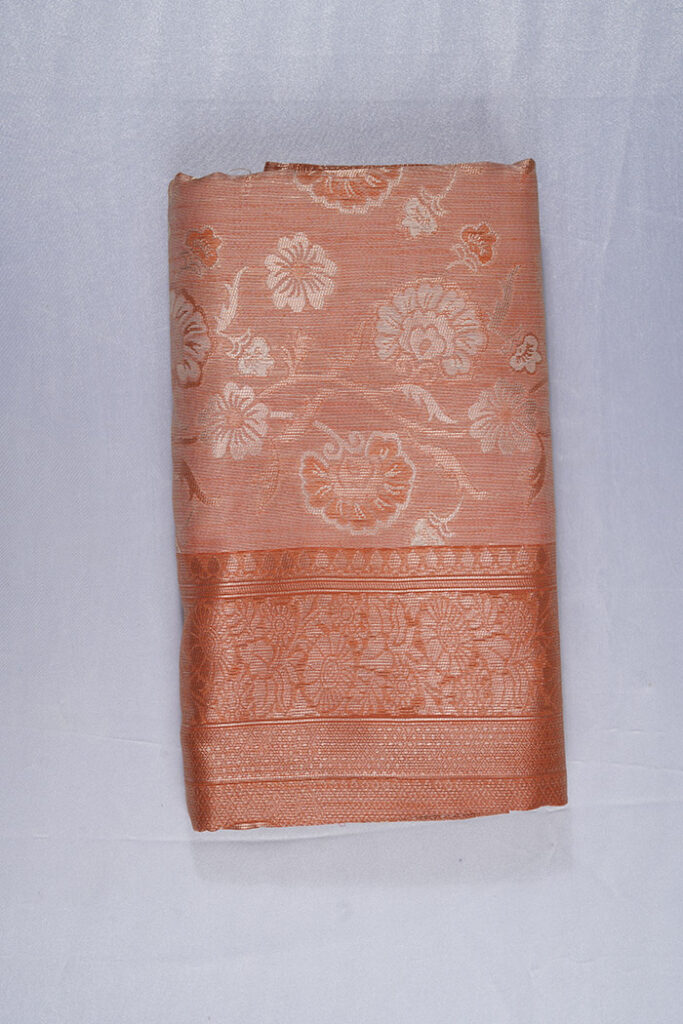
Chandra Pori Paithani Sarees
Original price was: ₹1,999.00.₹1,111.00Current price is: ₹1,111.00.


-49%
Select options
This product has multiple variants. The options may be chosen on the product page
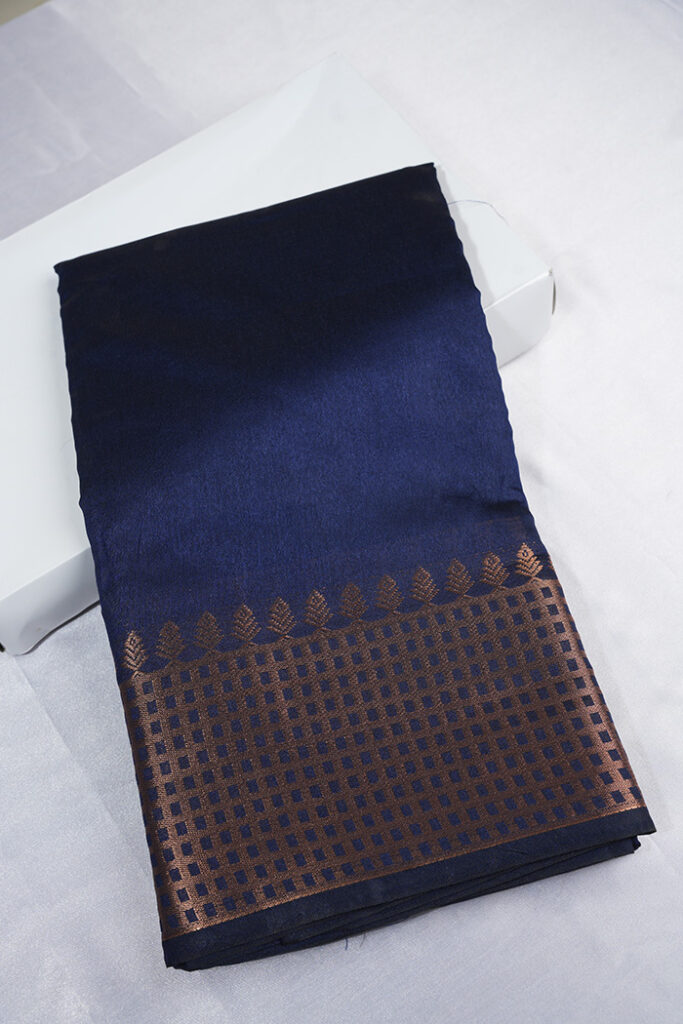
Cotton Banaras Sarees
Original price was: ₹2,099.00.₹1,075.00Current price is: ₹1,075.00.-31%
Select options
This product has multiple variants. The options may be chosen on the product page


